Nonprofit Fundraising Emails: 6 Proven Steps
Write fundraising emails donors actually respond to. 6 steps for nonprofits: subject lines, storytelling, clear asks. Free checklist included.


TL;DR: Effective fundraising emails combine a compelling subject line, a single clear story, one specific ask, and genuine gratitude. Skip the corporate jargon—your donors want to feel like partners in your mission, not targets. Start with impact, make the ask easy to understand, and always show what their gift will accomplish. The organizations that raise the most aren't the ones with the fanciest emails—they're the ones who communicate honestly and consistently.
Your next fundraising email could be the one that funds a scholarship, covers next month's operating costs, or finally gets that community program off the ground. The difference between an email that inspires action and one that gets deleted often comes down to a few key choices in how you write it.
Disclosure: We're the team behind Groupmail—simple email software for organizations since 1996.
Why Fundraising Emails Matter for Nonprofits
Email remains the most effective channel for nonprofit fundraising. According to the M+R Benchmarks Report, email generates roughly one-third of all online fundraising revenue for nonprofits. That's not because donors love their inboxes—it's because email creates a direct, personal connection that social media can't replicate.
The challenge is that most nonprofit fundraising emails don't work very well. Open rates hover around 20-25%, and click-through rates are even lower. The emails that break through share common traits: they feel personal, tell a specific story, and make one clear request. They don't try to do everything at once.
Your donors signed up because they believe in your mission. A fundraising email is your chance to show them exactly how their support makes that mission real. When you write with that relationship in mind—rather than treating it as a transaction—you'll see better results.
💡 Tip: Before writing any fundraising email, ask yourself: "Would I send this to a friend who cares about our cause?" If the answer is no, rewrite it until it feels like a genuine message rather than a formal appeal.
Before You Start: What You'll Need
Gathering a few things before you write will make the process faster and your email more effective.
A specific story or impact example. Abstract appeals ("help us continue our work") rarely inspire action. Find one person, one project, or one moment that shows your mission in action. You don't need elaborate case studies—a few sentences about real impact work better than polished marketing.
A clear funding goal or purpose. "We need donations" is too vague. "We need $5,000 to send 10 kids to summer camp" gives donors something concrete to rally around. Even if you're raising for general operating costs, frame it around what those funds will accomplish.
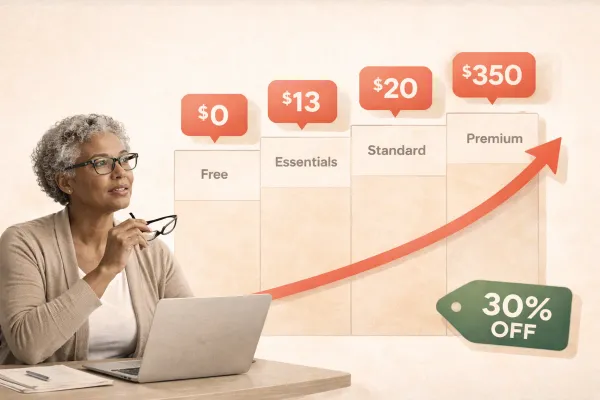
An email tool that won't fight you. Complex marketing platforms can slow you down when you just need to send a straightforward appeal to your supporters. Tools like Groupmail are built for organizations sending updates to their community—simple editor, basic tracking, and a 30% nonprofit discount. Pick something that lets you focus on the message, not the software.
Step 1: Write a Subject Line That Gets Opened
Your subject line determines whether anyone reads the rest. Aim for curiosity, urgency, or direct relevance to the donor's interests—ideally in under 50 characters so it doesn't get cut off on mobile.
What works:
- Questions that invite response: "Can you help Maria finish school?"
- Specific impact statements: "$25 = one week of meals"
- Personal and direct: "I wanted you to know"
- Urgency with a deadline: "48 hours left to match your gift"
What doesn't work:
- Generic appeals: "Please donate today"
- All caps or excessive punctuation: "URGENT!!! WE NEED YOU!!!"
- Vague organizational updates: "Spring newsletter from [Org Name]"
The best subject lines sound like something a real person would write to a friend. Test different approaches with your audience—what resonates with one community may fall flat with another.
Step 2: Open With Impact, Not Administration
The first two sentences determine whether donors keep reading. Start with the mission in action, not organizational updates or formal greetings.
Strong opening: "Last Tuesday, Maria walked across the stage to receive her high school diploma. Two years ago, she didn't think she'd make it to graduation. Your support made the difference."
Weak opening: "Dear Valued Supporter, As we approach the end of our fiscal year, the Board of Directors has asked me to reach out regarding our annual fundraising initiative..."
Get to the human story immediately. Your donors don't need context about your fiscal calendar—they need to feel connected to why their gift matters.
Key Takeaway: The first 50 words of your email carry the most weight. Use them to show impact, not to explain your organization's administrative needs.
Step 3: Tell One Specific Story
Resist the urge to cover everything your organization does. One concrete story is more compelling than a list of all your programs.
Choose a story that:
- Features a real person (with permission) or a representative composite
- Shows clear before-and-after transformation
- Connects directly to what donations fund
- Can be told in 100-150 words
You don't need elaborate narrative structure. Simple works: "When Sarah came to us, she hadn't eaten in two days. Today, she's working part-time and helping others in the same program that helped her."
Numbers alone rarely move people, but numbers paired with stories do. "Your $50 gift provides a week of meals" lands harder when you've just read about Sarah.

Step 4: Make One Clear Ask
The biggest mistake in fundraising emails is asking for too many things. Don't request donations, event attendance, volunteer sign-ups, and social media shares in the same message.
Pick your primary goal for this email and build everything around it. If you're asking for money, make the donation button obvious and repeat it at least twice—once mid-email and once at the end.
Be specific about amounts when possible. "Can you give $25 today?" outperforms "Please consider a donation." Even better: tie the amount to impact. "$25 provides textbooks for one student. $100 covers an entire classroom."
Simple Email for Organizations
Send updates to your members without the marketing complexity.
Set up in 10 minutes. No credit card required.
Trusted since 1996 · Human support · 30% nonprofit discount
Step 5: Create Urgency Without Manipulation
Urgency drives action, but false urgency destroys trust. Use deadlines that are real and meaningful.
Legitimate urgency:
- Matching gift deadlines: "Anonymous donor will match gifts until Friday"
- Program timing: "Camp registration closes in 10 days"
- Fiscal year needs: "We need $8,000 by June 30 to close our budget gap"
Manufactured urgency to avoid:
- Fake countdown timers
- "Last chance!" when you'll send the same appeal next week
- Implying the organization will close without this specific donation
When you have a genuine deadline, use it prominently. When you don't, focus on the impact of giving now rather than inventing pressure. "Every day Maria waits for a mentor is a day she spends struggling alone" creates urgency through empathy, not artificial scarcity.
Step 6: Close With Gratitude and Clarity
End every fundraising email by thanking donors—whether they give or not—and reminding them of the impact their support creates.
A strong close includes:
- Genuine appreciation: "Thank you for being part of this community"
- A final, clear call to action: "Click here to give today"
- Connection to mission: "Together, we're making sure no family faces this alone"
Sign emails from a real person whenever possible. "Sarah, Executive Director" feels more personal than "The Development Team." If your organization is small enough, personalized signatures make a real difference.
⚠️ Watch out: Don't end with guilt or pressure. "We're counting on you" can feel like obligation rather than invitation. Close with partnership: "We're grateful to have you with us."
Common Mistakes to Avoid
Writing for donors you wish you had, not donors you have. Your existing supporters already care about your mission. Write to deepen that relationship, not to convince skeptics.
Burying the ask. If someone has to scroll and search to find your donation button, you've made giving harder than it needs to be. The ask should be visible without hunting.
Using jargon or insider language. "Capacity building," "programmatic outcomes," and "stakeholder engagement" mean nothing to most donors. Write in plain language that anyone could understand.
Sending without testing. Preview your email on mobile (where most opens happen). Click every link. Read it aloud. Small errors undermine your credibility.
Forgetting to follow up. Send a thank-you within 24 hours of every donation—automated is fine, but personal is better. Donors who feel appreciated give again.
Fundraising Email Checklist
Before you hit send, confirm:
- Subject line is under 50 characters and creates curiosity or urgency
- First two sentences focus on impact, not administration
- Email tells one specific story with concrete details
- One primary ask is clear and repeated
- Donation button or link appears at least twice
- Any urgency is genuine, not manufactured
- Email ends with gratitude
- Tested on mobile
- Links all work
- Sender name is a real person
Conclusion
The nonprofits that raise the most through email aren't the ones with the biggest budgets or the most sophisticated tools. They're the ones that treat every email as a conversation with someone who already cares about their mission.
Start with story, make your ask clear, and always lead with gratitude. Your donors want to help—your job is to make it easy for them to say yes.
Ready to send your first update? Try Groupmail free—set up in 10 minutes, no credit card required. Built for organizations, not marketers.
Related reading: